
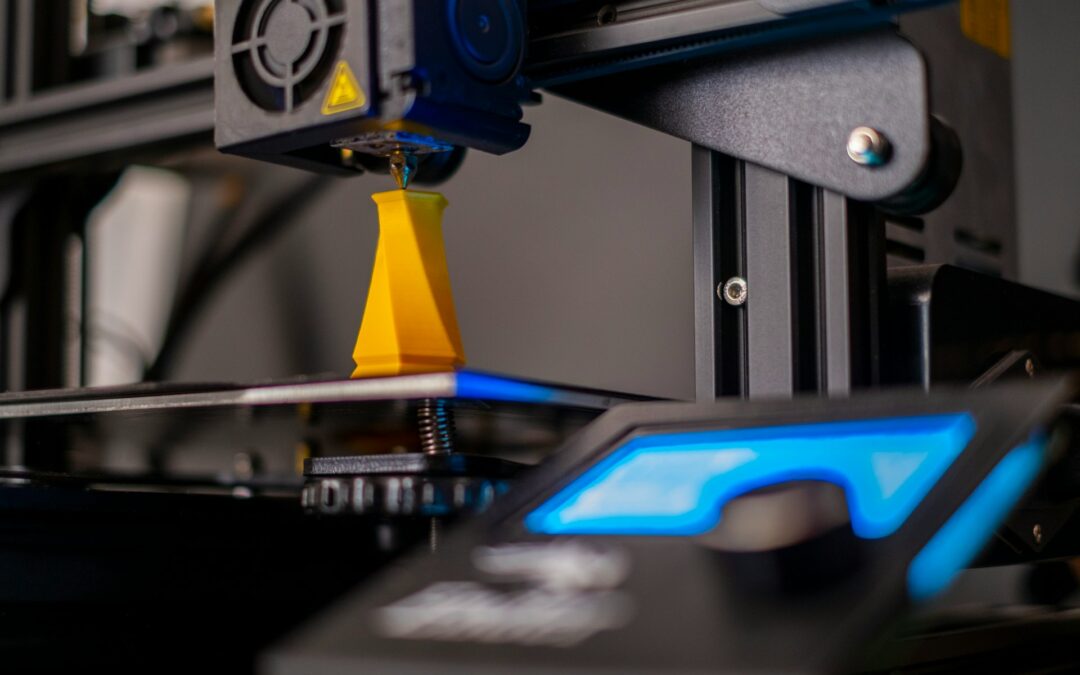
When you ask, “What can I 3D print?” the answer is nearly limitless. From practical tools and household fixes to artistic pieces and prototypes, 3D printing unlocks a world of creative and functional possibilities. It adapts to everyday needs as easily as it does to complex, professional projects.
The process also empowers hobbyists, educators, and innovators to produce customized items quickly and precisely. Whether you’re experimenting at home, teaching in a classroom, or designing for clients, 3D printing makes it easy to turn digital models into real objects.
In New York City, Voxel Magic provides the expertise and fast turnaround that local creators rely on.
This guide explores a wide range of useful and creative 3D printing ideas. Read on and learn how to transform your concepts into tangible results.
Popular 3D Printing Projects
3D printing unlocks practical and creative options across different uses. From everyday items that improve home life to playful objects and tech gear, projects vary in purpose and complexity.
Many designs emphasize usefulness, customization, and speed of production.
Functional Household Items
Functional household items are among the top 3D printing projects because they solve daily needs quickly and affordably. Common prints include hooks, drawer organizers, cable clips, and replacement parts like knobs or hinges.
These items help reduce clutter and extend the life of appliances without waiting for store orders. Many models allow customization for size or fit, making them ideal for unique spaces.
For New Yorkers dealing with limited space, custom shelving brackets or wall mounts provide tailored storage solutions. Printing with durable materials ensures these parts hold up under regular use.
Toys and Games
3D printing toys and games is popular for both adults and kids. Miniatures for board games, puzzle pieces, and customizable action figures are common projects.
These prints often serve as personalized gifts or hobby supplements, offering creative control over detail and design. Users can print parts to repair broken toys or design unique game accessories not found in stores.
This flexibility supports rapid prototyping of game ideas and small-batch production. Hobbyists value precision prints that maintain fine features, especially for miniatures.
Custom Phone and Tech Accessories
Custom phone and tech accessories meet high demand for personalization and functionality. Common prints include phone cases, stands, charging docks, and cable organizers.
These projects stand out for combining protection with tailored design to fit specific models or setups. Tech accessories often require precise fitting and durable materials, which advanced 3D printing methods provide.
With local service in NYC, creators can iterate on designs quickly for the hustle of daily tech use. Printed accessories optimize workspace ergonomics and reduce clutter around devices.
Practical Everyday Solutions
3D printing offers precise, customized solutions that make daily tasks easier. From neat storage to fixing broken items and improving kitchen efficiency, practical prints save time and reduce waste.
Organizational Tools
3D printed organizers help keep spaces tidy and efficient. Users can create custom desk trays, cable holders, drawer dividers, and wall hooks tailored to their exact needs.
These tools fit specific items, maximizing space and reducing clutter. Because designs are adjustable, users can create exactly what’s needed for their environment.
For example, a modular organizer that snaps together saves room while neatly storing office supplies or art tools. Color options and branding can personalize pieces, making them practical and visually cohesive.
These pieces are fast to produce, so updates or new tools can be printed quickly as needs evolve.
Replacement Parts
Broken parts on household items often cause frustration and waste. 3D printing enables the creation of precise replacement parts to restore function without buying new items.
Door handles, appliance knobs, clips, and gears are common prints that save money and extend product life. Accurate scans or measurements ensure compatibility and usability.
Small repairs that once required long waits or expensive orders can now be done locally with a rapid turnaround. Creating parts on demand reduces landfill waste and supports a sustainable approach to product upkeep.
Kitchen Gadgets
Functional kitchen tools designed for specific cooking or storage challenges are easy to print. Custom measuring spoons, spice racks, bag clips, and utensil holders improve workflow and organization in any kitchen.
3D printing allows for ergonomic designs tailored to user preferences. For example, handles or grips can be reshaped for comfort, or space-saving stacking features can be added.
Unique items like personalized cookie cutters or jar openers offer creative yet practical value. Durable, food-safe materials are available to ensure printed kitchen items meet everyday use standards, combining utility with precision.
Personalized Creations
Personalized 3D printing opens doors to unique, tailored objects that reflect individual style and need. From thoughtful gifts to stylish accessories and artistic decor, each piece is designed with precision to stand out.
Customized Gifts
Customized gifts leverage 3D printing’s precision to create meaningful presents that can’t be found in stores. Name keychains, personalized figurines, and bespoke gadgets are popular options.
These items can incorporate specific names, dates, or designs, making them ideal for birthdays, weddings, or corporate events. 3D printing allows for fast iterations and exact detail, perfect for crafting gifts that resonate personally.
You can choose materials and finishes that match the occasion, whether matte plastics for everyday use or polished resin for display pieces. Local 3D printing services in NYC ensure quick turnaround for last-minute needs without compromising quality.
Jewelry and Accessories
Jewelry and accessories made with 3D printing combine intricate design with a custom fit. Rings, bracelets, and pendants can feature complex geometries and personalized engravings that traditional methods struggle to achieve.
Materials range from durable plastics to metals via specialty printing, allowing for lightweight and durable wearables. Designers can prototype rapidly and adjust designs based on feedback, improving comfort and style.
For artists and startups, 3D printing offers a nimble way to bring unique collections to the NYC marketplace quickly.
Decorative Art Pieces
3D printing turns creative visions into striking art pieces, from abstract sculptures to detailed architectural models. Precision printing supports fine textures and complex shapes that elevate any space.
Artists can experiment with scale and material, blending functionality with aesthetics. For galleries and installations in New York City, custom prints allow for quick production of limited editions or one-offs.
These prints often serve as conversation starters, balancing technical craft with artistic expression.
Educational and STEM Applications
3D printing offers practical tools for education and STEM fields. It allows students and educators to create tangible items that enhance learning and support hands-on projects. These applications range from simple aids to complex prototypes, providing value across different subjects.
3D Printing as a Tool for Learning and Innovation
According to a study published in The Role of 3D Printing in Modern Engineering Education (2025), students who use 3D prototypes in coursework report greater comprehension of spatial design and improved problem-solving skills compared to those using traditional 2D methods.
This suggests that printing everyday items and prototypes supports deeper understanding—not just finished objects.
Another report on STEM learning experiences in Italian schools found that when students build tangible 3D models—whether for environmental science, engineering, or art—they show higher engagement, better collaboration, and more confidence in their design ideas.
Learning Aids
3D printing creates customized learning aids that make abstract concepts more concrete. Teachers can print shapes, puzzles, or models tailored to lesson plans.
For example, geometric solids can help students understand volume and surface area visually. These aids improve engagement by giving students something physical to handle.
They support diverse learning styles, especially for tactile and visual learners. Schools can create durable, reusable tools at a fraction of the cost of buying specialized kits.
Customizability is key. Educators can design aids based on specific student needs or curriculum goals, making lessons more effective and interactive.
Science Models
3D printing brings complex science topics to life with detailed, accurate models. Students can examine molecular structures, anatomy parts, or planetary models in ways that textbooks alone cannot offer.
Printed models help visualize difficult concepts like DNA strands or cell structures. This hands-on approach improves understanding and retention.
Science teachers can use these models during lectures or lab activities, making lessons more dynamic. Schools benefit by producing cost-effective models customized for their curriculum. These tools also foster curiosity and deeper exploration within STEM disciplines.
Prototype Development
In engineering and design education, 3D printing accelerates prototype development. Students move from concept to physical model quickly, enabling rapid iteration based on testing and feedback.
Prototyping teaches real-world skills like CAD design, problem-solving, and project management. It prepares learners for careers where quick, precise model creation is essential.
Local 3D printing services provide reliable, fast turnaround times, supporting tight class schedules and project deadlines. This technology equips students to innovate and refine ideas with professional-level tools.
Hobbyist and DIY Projects
Many people use 3D printing to create detailed models and parts that suit their personal interests. These projects let them customize items, save money, and bring unique designs to life at home or in a workshop.
Below are three popular types of hobbyist projects that benefit from precise 3D printing.
Model Kits
Model kits are a favorite among hobbyists who enjoy assembling and painting complex objects. 3D printing allows for customized kits that range from architectural structures to vehicles and gadgets.
The precision of modern printers ensures the parts fit together cleanly, reducing frustration. Custom model kits often feature interchangeable components.
This flexibility lets users test different designs or scale versions. Modelers appreciate the ability to create rare or out-of-production kits that are otherwise hard to find.
Miniatures
Miniatures are essential in tabletop games, collections, and display pieces. 3D printing excels in producing detailed and high-resolution miniatures that capture fine features such as facial expressions, textures, and armor.
Lightweight plastics are commonly used to keep models durable yet easy to paint. Hobbyists can create custom miniatures for personal games or commissions.
Several online platforms offer STL files ready for printing, but many artists design their own. Precise local printing partners in NYC deliver smooth results and fast turnarounds, critical for seasonal gaming events or releases.
RC Vehicle Parts
Remote control (RC) vehicle enthusiasts rely on 3D printing to produce replacement parts and upgrades. Customized chassis pieces, mounts, and aerodynamic components can be printed on demand, saving time and cost compared to ordering specialty parts from abroad.
High-strength materials and accurate designs ensure parts meet functional demands like durability and fit. Hobbyists can also prototype new elements or modify existing parts to improve performance.
NYC-based services provide the combination of speed and precision needed for rapid prototyping and final-use RC components.
Tools and Workshop Upgrades
Upgrading a workspace with 3D printed tools can boost efficiency and tailor setups to specific projects. Custom tools and organizational aids reduce downtime and improve accuracy.
Jigs and Fixtures
Jigs and fixtures printed in 3D offer precise, repeatable support for complex tasks. They hold materials steady, guide tools for consistent cuts or drills, and improve alignment during assembly.
Because they are custom-made, jigs can match unusual shapes or project needs. This eliminates the hassle of adapting generic tools and helps avoid errors.
Common prints include clamp guides, angle jigs, and measurement aids. 3D printing allows quick iteration, adjusting designs based on feedback. This flexibility is valuable in fast-paced NYC workshops where time and accuracy matter.
Tool Organization
3D printed organizers help keep workshops tidy and tools easy to find. Customized racks, holders, and trays fit specific items perfectly, saving space and cutting search time.
Wall-mounted tool holders or modular drawer inserts can be designed to hold wrenches, screwdrivers, or drill bits securely. Label slots or color coding might be added for extra clarity.
By printing replacement parts or adapters, users can also extend the life of existing storage systems. Efficient tool organization fosters a safer and more productive workspace, key to creative or technical work in busy environments.
Medical and Accessibility Objects
3D printing enables the creation of precise and cost-effective medical aids. Customized solutions improve daily life and support independence. These objects range from simple tools to complex components tailored for specific needs.
Adaptive Devices
Adaptive devices include tools designed to assist people with physical disabilities. Examples are ergonomic handles for utensils, switches for electronics, and easy-grip tools.
These devices can be custom-sized and shaped to fit individual users, enhancing comfort and usability. 3D printing allows quick adjustments to designs, so devices can be improved based on feedback.
This responsiveness means adaptive aids can be affordable and personalized. Local 3D printing shops often offer fast turnaround, which is crucial for users needing timely support.
Prosthetic Components
Prosthetic components created with 3D printing offer affordable customization. Parts such as sockets, joints, and covers can be tailored to fit the wearer’s measurements perfectly.
This improves comfort, mobility, and the overall function of prosthetic limbs. The technology also allows lighter, more durable materials to be used in prosthetics.
Designers can create modular parts that are easier to replace or upgrade. This flexibility reduces downtime for repairs and fits well with NYC’s fast-paced environment.
Automotive and Repair Components
3D printing opens new possibilities for automotive parts and repair solutions. It allows creating parts that fit specific needs, whether custom designs or practical tools for workshop use. This technology cuts lead times and reduces waste, helping repair shops and enthusiasts alike.
Custom Car Parts
Custom automotive parts can be designed and printed with precision to match exact specifications. From lightweight interior panels to prototype engine components, 3D printing lets users create parts that may not exist anymore or are hard to find.
Parts like vents, knobs, and brackets are common examples. Printing these parts locally speeds up repairs and reduces dependency on long supply chains.
Materials such as nylon and reinforced polymers provide durability and heat resistance suitable for many car applications. This approach gives designers and mechanics the freedom to experiment with shapes and functions without large upfront costs or tooling delays.
It suits both one-off projects and low-volume manufacturing.
Garage Solutions
3D printing also serves practical needs around the garage. Tools, jigs, and holders can be customized to improve workflow and organization.
For example, tool racks or custom mounts for diagnostic devices streamline daily tasks. Repair shops benefit from printing spare parts on demand.
Small components like clips, fasteners, or caps often break or go missing and can be replaced quickly without ordering from manufacturers. Using 3D printing for these solutions saves time and cost while keeping essential items within reach.
It supports a fast turnaround for repairs at a fraction of usual lead times, especially critical in a busy local environment like New York City.
Wearables and Fashion Items
3D printing enables unique and personalized fashion pieces that blend style with function. It allows creators to produce everything from custom footwear to costume elements that fit precise measurements and design needs.
Custom Footwear
3D printing offers a new level of customization for footwear. Designers can create shoes that match the exact shape of a wearer’s foot, improving comfort and support.
This process uses digital scans to build detailed models, ensuring a perfect fit. Materials used vary from flexible filaments to durable polymers, allowing for different textures and strengths.
This technology also speeds up prototyping, helping brands test designs quickly. Custom soles, intricate patterns, and lightweight structures are common features in 3D printed footwear.
The local expertise of partners helps refine these designs efficiently, making custom shoes more accessible for individuals and small brands.
Costume Pieces
Costume elements benefit greatly from 3D printing due to their need for detail and uniqueness. Whether for theater, cosplay, or film, creators can produce lightweight yet strong pieces that fit the wearer perfectly.
Complex shapes that are hard to handcraft become easier to realize through 3D printing. This includes masks, armor parts, and decorative accessories.
Materials range from rigid plastics for structure to flexible resins for comfort. Rapid turnaround times also support tight production schedules common in creative projects in cities like New York.
This method offers precision and repeatability, which matters when multiple copies of a piece are needed. Local 3D printing providers give costume designers the agility to adjust and improve designs without long delays.
Artistic and Experimental Designs
Artists and designers use 3D printing to create intricate sculptures and unique installations. The technology allows for complex shapes and detailed textures that traditional methods often cannot achieve. This opens new doors for artistic expression.
Experimental designs include customized jewelry with fine engravings and geometric patterns. These pieces showcase advanced precision and originality. Artists can prototype ideas quickly, testing forms and materials without long waits.
Using materials like resin or flexible filaments, creators explore new textures and structures. This flexibility supports projects from delicate models to wearable art. 3D printing also enables layering and remixing existing designs, fostering innovation in creative workflows.
Examples of common artistic prints include:
| Type | Description | Material Suggestions |
| Sculptures | Detailed, multi-part pieces | Resin, PLA |
| Jewelry | Custom rings, pendants | Resin, TPU |
| Architectural Models | Miniature buildings with fine detail | PLA, PETG |
In New York City’s fast, creative environment, having a reliable local 3D printing partner is essential. It ensures tight deadlines are met without sacrificing quality. This support allows artists to focus on ideas while technical experts handle precise production.
Unlocking Everyday Possibilities with 3D Printing
3D printing has moved far beyond prototypes and novelty items—it’s now a practical solution for everyday needs, creative expression, and professional innovation. From household fixes and custom accessories to educational models and artistic pieces, the possibilities keep expanding.
By combining the right design tools, materials, and printing methods, you can bring unique, tailored objects to life with precision and speed.
If you’re in New York City, Voxel Magic makes the process even easier with expert support and rapid local service.
Ready to explore what you can 3D print? Connect with our team today and start turning your ideas into reality.
Frequently Asked Questions
What are some of the most practical items I can 3D print at home?
You can 3D print household tools like hooks, drawer organizers, phone stands, and replacement parts. These items are quick to produce, customizable, and help solve everyday problems.
Is it safe to use 3D printed items in the kitchen?
Yes—when made with food-safe filaments like PETG or special resins. Always check that the material is certified for food contact, and avoid exposing printed items to high heat unless the filament is rated for it.
How long does it take to 3D print common items?
Print time depends on size, complexity, and printer settings. Small objects like keychains or clips can take under an hour, while larger pieces such as organizers or models may take several hours.
Can I 3D print replacement parts for appliances or furniture?
Yes, many people use 3D printing to create knobs, clips, brackets, or even chair legs. The key is to use durable filaments like ABS or nylon and to ensure precise measurements for a proper fit.
Do I need advanced design skills to start 3D printing?
Not necessarily. Many free and paid STL files are available online for immediate printing. Over time, learning 3D design software allows you to customize or create your own models for unique projects.
